Pelvic Pain in Women: Causes, Treatment & Relief Strategies
Jan 13, 2026Last Updated: January 2026 | By Heather Marra, PT, MPT, PRPC, PCES, CAPP
"I have pain in my pelvic area and I don't know where it's coming from." If you've said this to yourself, you're far from alone. Approximately 25 million women in the United States experience pelvic pain, affecting up to 1 in 7 women of reproductive age. Despite how common it is, pelvic pain often feels invisible—you look fine on the outside, but you're dealing with symptoms that significantly limit your life.
As a pelvic floor physical therapist who has worked with countless women experiencing pelvic pain, I understand how frustrating and isolating this condition can be. The good news? You don't have to suffer in silence, and there are effective treatments available.
In this comprehensive guide, you'll learn:
- What pelvic pain is and where it can occur
- Common causes of both acute and chronic pelvic pain
- How to recognize warning signs requiring immediate medical attention
- Effective treatment options including pelvic floor physical therapy
- Specific exercises and self-care strategies for relief
- Why pelvic floor muscle tension is often the culprit
- When and how to seek professional help
What Is Pelvic Pain?
Pelvic pain refers to discomfort felt anywhere in your pelvic region—the area between your belly button and your upper thighs. This expansive region houses your reproductive organs, bladder, intestines, and the complex network of muscles, ligaments, and nerves that support these structures.
Where pelvic pain can occur:
- Lower abdomen: Below the belly button
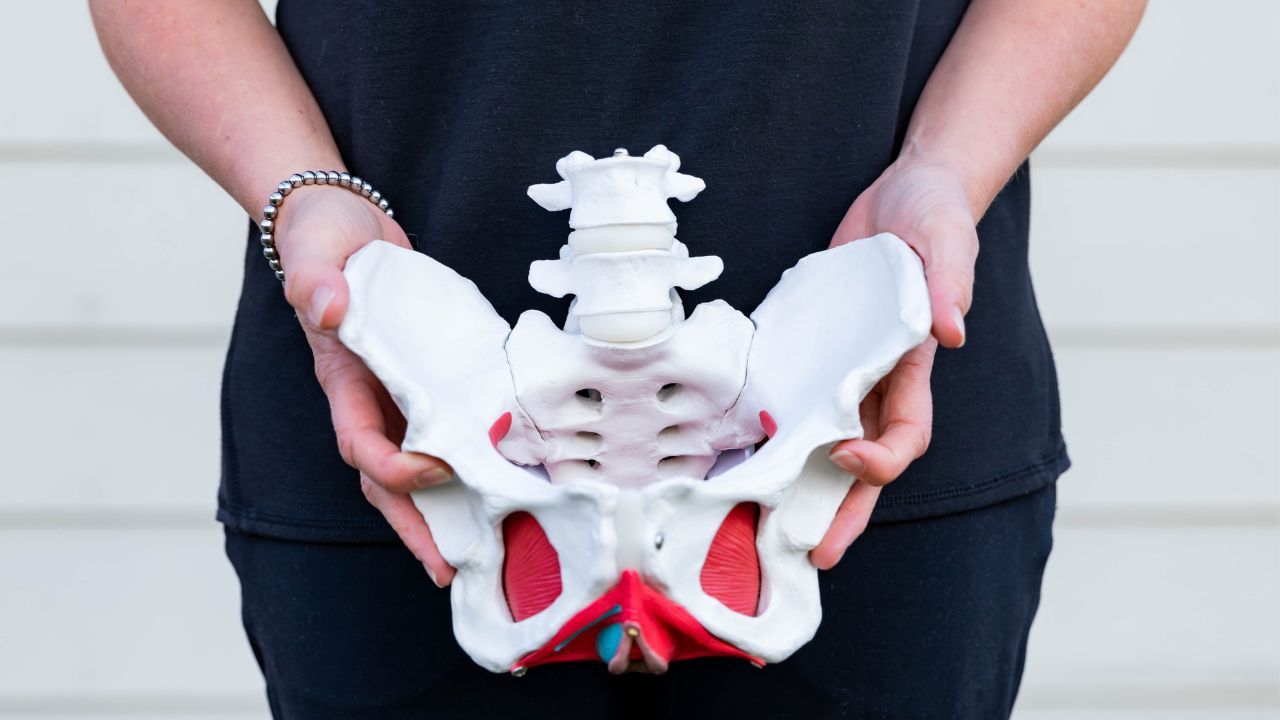
- Pelvic floor: The "hammock" of muscles at the base of your pelvis
- Pubic symphysis: The joint at the front of your pelvis
- Groin: Where your legs meet your pelvis
- Hips: Pain radiating to one or both hips
- Lower back and sacroiliac (SI) joints: The joints connecting your spine to your pelvis
- Tailbone (coccyx): The small bone at the base of your spine
- Vagina or vulva: Pain during or separate from sexual activity
Types of pelvic pain:
Acute pelvic pain:
- Sudden onset
- Severe intensity
- Usually has an identifiable cause
- May signal a medical emergency
- Examples: Ruptured ovarian cyst, ectopic pregnancy, appendicitis
Chronic pelvic pain (CPP):
- Lasts 6 months or longer
- May be constant or intermittent
- Can be mild to severe
- Often has multiple contributing factors
- May continue even after initial cause is treated
The invisible burden:
One of the most challenging aspects of pelvic pain is that you can't see it. Friends, family, even healthcare providers may not fully understand the impact on your daily life. You might look perfectly healthy while struggling with:
- Difficulty sitting for extended periods
- Pain during or after sexual activity
- Challenges with exercise or physical activity
- Problems with bladder or bowel function
- Disrupted sleep
- Inability to work effectively
- Strained relationships
- Reduced quality of life
Common Causes of Pelvic Pain in Women
Pelvic pain can stem from numerous sources—reproductive, digestive, urinary, musculoskeletal, or neurological. Often, multiple factors contribute simultaneously, making diagnosis and treatment complex.
Gynecological Causes
Endometriosis:
- Tissue similar to uterine lining grows outside the uterus
- Affects up to 10% of women of reproductive age
- Causes cyclic pain (often worsening with menstruation)
- Can cause painful intercourse, painful bowel movements
- Associated with infertility in 30-50% of cases
Adenomyosis:
- Uterine lining grows into the muscular wall of the uterus
- Causes heavy, painful periods
- Pelvic pressure and bloating
- More common in women over 30
Uterine fibroids:
- Noncancerous tumors in or on the uterus
- Can cause pelvic pressure, pain, heavy bleeding
- Size and location determine symptoms
- Very common (affecting 70-80% of women by age 50)
Ovarian cysts:
- Fluid-filled sacs on or in the ovaries
- Often benign and resolve on their own
- Can cause pain if they rupture, twist, or grow large
- Sudden severe pain may indicate torsion (medical emergency)
Pelvic inflammatory disease (PID):
- Infection of reproductive organs
- Usually caused by untreated STIs (chlamydia, gonorrhea)
- Can cause long-term pelvic pain even after infection clears
- May lead to scarring and fertility issues
Painful menstruation (dysmenorrhea):
- Primary: No underlying condition, caused by prostaglandins
- Secondary: Caused by endometriosis, fibroids, or other conditions
- Affects up to 90% of women at some point
Pelvic Floor Muscle Dysfunction
This is where my expertise as a pelvic floor physical therapist becomes especially relevant.
Your pelvic floor is a group of muscles that form a supportive hammock at the base of your pelvis. These muscles:
- Support your bladder, uterus, and rectum
- Control urination and bowel movements
- Play a role in sexual function
- Stabilize your core and pelvis
Pelvic floor muscle dysfunction causes:
Hypertonic (high-tone) pelvic floor:
- Muscles are too tight, can't relax properly
- Creates chronic tension and pain
- Often feels like constant pressure or aching
- Can cause pain with sitting, sexual activity, bowel movements
- Kegels may worsen symptoms (more on this later!)
Trigger points (muscle knots):
- Just like you can have knots in your neck or shoulders, you can have trigger points in pelvic floor muscles
- Create localized or referred pain
- Can cause urinary urgency, frequency, or difficulty starting flow
- May contribute to painful intercourse
Pelvic floor weakness (hypotonic):
- Muscles are too weak to provide adequate support
- Can occur alongside tightness in different muscle groups
- May cause pelvic organ prolapse symptoms
- Often accompanies stress urinary incontinence
Pregnancy and childbirth-related pain:
- Vaginal delivery trauma (tearing, episiotomy)
- C-section recovery and scar tissue
- Muscle strain from pregnancy weight
- Postpartum healing and adaptation
- Diastasis recti (abdominal separation)
[Link to postpartum pelvic floor article]
Urological Causes
Interstitial cystitis / Bladder pain syndrome:
- Chronic bladder inflammation
- Causes pelvic pain, urinary urgency, frequency
- No infection present
- More common in women
- Often coexists with other pain conditions
Urinary tract infections (UTIs):
- Bacterial infection of urinary system
- Burning with urination, pelvic pain
- Urgency and frequency
- Sometimes causes lower back pain
- Recurrent UTIs can lead to chronic pain
Kidney stones:
- Can cause severe pelvic and lower back pain
- Pain often radiates from back to front
- May cause blood in urine, nausea
Gastrointestinal Causes
Irritable bowel syndrome (IBS):
- Affects 10-15% of the population
- Causes abdominal pain, bloating, altered bowel habits
- Commonly coexists with chronic pelvic pain
- Stress and diet can trigger symptoms
Chronic constipation:
- Straining can weaken pelvic floor muscles
- Creates pelvic pressure and discomfort
- Can worsen other pelvic pain conditions
- May contribute to pelvic organ prolapse
[Link to constipation during pregnancy article]
Inflammatory bowel disease (IBD):
- Crohn's disease or ulcerative colitis
- Causes abdominal pain, diarrhea, weight loss
- Chronic inflammation can affect pelvic area
Musculoskeletal Causes
Abdominal wall pain (myofascial pain):
- Muscle or fascia tension in abdominal wall
- Often from poor posture, repetitive strain
- Can mimic internal organ pain
- Responds well to physical therapy
Hip dysfunction:
- Hip labral tears, arthritis, bursitis
- Can refer pain to pelvic region
- Affects gait and pelvic alignment
- May require orthopedic intervention
Sacroiliac (SI) joint dysfunction:
- Inflammation or misalignment of SI joints
- Common during and after pregnancy
- Causes lower back and pelvic pain
- Often one-sided initially
Coccyx (tailbone) pain:
- From falls, traumatic delivery, prolonged sitting
- Makes sitting very uncomfortable
- Can require specialized cushions or therapy
Nerve-Related Causes
Pudendal neuralgia:
- Compression or damage to pudendal nerve
- Causes burning, shooting, or electric-shock-like pain
- Worse with sitting, better with standing
- Can affect sexual function
Nerve entrapment:
- Surgical scars can trap nerves
- Previous surgeries (C-section, hernia repair, etc.)
- Causes localized sharp or burning pain
- May require specialized treatment
Psychological Factors
It's crucial to understand that chronic pain has both physical and psychological components. This doesn't mean pain is "all in your head"—it's very real. However:
Stress, anxiety, and depression:
- Can amplify pain perception
- Create muscle tension
- Affect how the nervous system processes pain signals
- Common in women with chronic pelvic pain
History of trauma:
- Physical, emotional, or sexual trauma
- Strongly associated with chronic pelvic pain
- May require trauma-informed care
- Counseling can be an important part of treatment
Central sensitization:
- Nervous system becomes hypersensitive to pain
- Can occur after prolonged chronic pain
- Brain and nerves amplify pain signals
- Requires specialized pain management approach
Understanding Chronic Pelvic Pain (CPP)
Definition: Pain lasting 6 months or longer in the pelvic region
Chronic pelvic pain affects approximately 15-20% of women of reproductive age—that's 1 in 7 women. Despite how common it is, CPP is often underdiagnosed and undertreated.
Characteristics of CPP:
- May be constant or intermittent
- Can vary in intensity (mild to severe)
- May worsen with specific activities (sex, sitting, exercise)
- Often has multiple contributing factors
- Significantly impacts quality of life
Why CPP is complex:
Unlike acute pain that signals injury or illness, chronic pelvic pain often persists even after the initial cause has healed. This happens because:
- Multiple factors contribute: You may have endometriosis + IBS + pelvic floor dysfunction all at once
- Central sensitization develops: Your nervous system becomes more sensitive over time
- Muscle patterns persist: Protective muscle guarding becomes habitual
- Psychological factors develop: Chronic pain affects mood, sleep, stress levels
- Fear-avoidance cycle: Pain leads to avoiding activities, which worsens function
The CPP diagnosis challenge:
In many cases (some studies suggest up to 60%), doctors can't identify a single, specific cause for chronic pelvic pain. This can be incredibly frustrating. However, your pain is real even when tests come back normal. The lack of identifiable pathology doesn't mean there's nothing wrong—it often means the pain involves:
- Pelvic floor muscle dysfunction
- Central sensitization
- Multiple minor contributing factors
- Functional rather than structural problems
This is where pelvic floor physical therapy becomes especially valuable.
When Kegels Make Pelvic Pain Worse
This is one of the most important things I want you to understand: Kegels don't fix every pelvic floor problem. In fact, for many women with pelvic pain, Kegels make things worse.
Why Kegels can worsen pain:
If your pelvic floor muscles are already too tight (hypertonic), doing Kegels is like trying to strengthen muscles that are already in spasm. Imagine having a Charlie horse in your calf and doing calf raises—it would hurt more, not less!
Signs your pelvic floor might be too tight:
- Pelvic pain that worsens with Kegels
- Difficulty starting urination
- Feeling like you can't fully empty your bladder or bowels
- Painful sexual intercourse
- Constipation
- Tailbone pain
- Sitting intolerance
What you need instead of Kegels:
- Relaxation and lengthening exercises: Teaching muscles to let go
- Breathing exercises: Diaphragmatic breathing promotes pelvic floor relaxation
- Stretching: Gentle stretches for hip, glute, and inner thigh muscles
- Manual therapy: Specialized techniques from a pelvic floor PT
- Posture correction: Reducing unnecessary muscle tension
- Stress management: Addressing the mind-body connection
This is why it's so important to see a pelvic floor physical therapist before assuming you need to strengthen. You may need the opposite approach!
Warning Signs: When to Seek Immediate Medical Attention
While most pelvic pain, though uncomfortable, isn't an emergency, certain symptoms require urgent evaluation:
Call 911 or Go to the Emergency Room If You Experience:
🚨 Sudden, severe pelvic pain
- Especially if accompanied by nausea, vomiting, or fainting
- Could indicate ectopic pregnancy, ovarian torsion, or ruptured cyst
🚨 Pelvic pain with pregnancy signs
- Missed period + severe pelvic pain
- Could indicate ectopic pregnancy (life-threatening)
🚨 Heavy vaginal bleeding
- Soaking through a pad per hour
- Passing large clots
- Especially concerning if pregnant or could be pregnant
🚨 High fever (over 101°F) with pelvic pain
- Could indicate serious infection (PID, appendicitis, sepsis)
- Especially if accompanied by chills, nausea, or vomiting
🚨 Inability to urinate or have a bowel movement
- Could indicate obstruction
- Severe bloating with inability to pass gas
🚨 Signs of shock
- Rapid heartbeat, dizziness, confusion
- Cold, clammy skin
- Rapid breathing
Schedule an Appointment with Your Doctor Soon If You Have:
- New pelvic pain that persists more than a few days
- Pain that's gradually worsening
- Pain interfering with daily activities
- Painful intercourse (dyspareunia)
- Changes in bowel or bladder function
- Abnormal vaginal bleeding or discharge
- Pain that returns after previous treatment
- Concerns about symptoms
Don't wait for pain to become unbearable. Early intervention often leads to better outcomes.
Diagnosing Pelvic Pain: What to Expect
Getting an accurate diagnosis is the first step toward effective treatment. Here's what you can expect:
Medical History
Your healthcare provider will ask detailed questions about:
- Pain characteristics: Location, intensity (on a scale of 1-10), quality (sharp, dull, burning, aching)
- Timing: When it started, constant vs. intermittent, relationship to menstrual cycle
- Triggers: What makes it better or worse (position, activity, eating, bowel/bladder function)
- Associated symptoms: Bleeding, discharge, bowel changes, urinary symptoms
- Impact on life: Effect on work, sleep, relationships, sexual function
- Medical history: Previous surgeries, pregnancies, infections, injuries
- Trauma history: Previous pelvic trauma or abuse (asked sensitively)
Tip: Keep a pain diary for a week or two before your appointment. Note when pain occurs, its intensity, what you were doing, and any associated symptoms. This information is incredibly valuable.
Physical Examination
Abdominal examination:
- Palpation to check for masses, tenderness, muscle tension
- Assessment of surgical scars
- Evaluation for hernias
Pelvic examination:
- External inspection
- Speculum exam to visualize cervix and vagina
- Bimanual exam to assess uterus and ovaries
- Assessment for pelvic organ prolapse
- Evaluation of pelvic floor muscle tone and tenderness
Musculoskeletal assessment:
- Posture evaluation
- Hip range of motion
- Lower back and SI joint assessment
- Abdominal wall muscle check
- Sometimes includes rectal exam to assess pelvic floor muscles
Diagnostic Tests
Depending on your symptoms, your provider may order:
Laboratory tests:
- Pregnancy test
- Urine analysis (check for infection, blood)
- STI screening (chlamydia, gonorrhea)
- Blood work (complete blood count, inflammatory markers)
Imaging:
- Pelvic ultrasound: First-line imaging for gynecologic issues
- Transvaginal ultrasound: Better visualization of ovaries, uterus
- CT scan: For suspected appendicitis, kidney stones, or other urgent concerns
- MRI: Detailed imaging for endometriosis, adenomyosis, or complex cases
Specialized procedures:
- Laparoscopy: Minimally invasive surgery to directly visualize pelvic organs, diagnose endometriosis
- Cystoscopy: Camera into bladder to check for interstitial cystitis
- Colonoscopy: Examine colon for digestive causes
Important to know: Many women with chronic pelvic pain have normal test results. This doesn't mean the pain isn't real or that nothing can be done. It often means pelvic floor muscle dysfunction is the primary issue—which doesn't show up on standard tests but can be identified by a skilled pelvic floor physical therapist.
Comprehensive Treatment Options for Pelvic Pain
Effective treatment for pelvic pain often requires a multimodal approach—combining several therapies to address different contributing factors.
Pelvic Floor Physical Therapy
This is my area of expertise, and I consider it one of the most effective treatments for many types of pelvic pain.
A pelvic floor physical therapist specializes in evaluating and treating the muscles, nerves, and connective tissues of the pelvic region.
What happens in pelvic floor PT:
Initial evaluation (60-90 minutes):
- Comprehensive history
- Posture and movement assessment
- External musculoskeletal exam
- Internal pelvic floor muscle assessment (with your consent)
- Identification of trigger points, muscle tension, weakness
- Development of personalized treatment plan
Treatment techniques may include:
Manual therapy:
- Internal and external myofascial release
- Trigger point release
- Scar tissue mobilization
- Joint mobilization (hips, SI joints)
- Visceral mobilization
Therapeutic exercises:
- Pelvic floor relaxation techniques (down-training)
- Breathing exercises
- Stretching for hip, glute, and core muscles
- Strengthening when appropriate (not always Kegels!)
- Postural exercises
- Movement re-education
Modalities:
- Biofeedback (visual feedback of muscle activity)
- Electrical stimulation
- Heat/cold therapy
- Dilator therapy (for painful intercourse)
- TENS unit for pain management
Education:
- Bladder and bowel habits
- Positioning for daily activities
- Pain science education
- Self-care strategies
Typical treatment course:
- Usually 6-12 sessions over 8-16 weeks
- Frequency depends on severity
- Home exercise program between sessions
- Progress monitored and plan adjusted
[Link to what to wear to pelvic floor therapy article]
Medical Treatments
Pain medications:
- NSAIDs: Ibuprofen, naproxen for inflammation and pain
- Acetaminophen: For pain without inflammation
- Muscle relaxants: For muscle spasm
- Nerve pain medications: Gabapentin, pregabalin for neuropathic pain
- Low-dose antidepressants: Can help with chronic pain (tricyclics, SNRIs)
Important: Opioids are generally not recommended for chronic pelvic pain due to limited effectiveness and addiction risk.
Hormonal treatments:
- Birth control pills: Suppress menstruation for endometriosis, dysmenorrhea
- Progestin therapy: IUD, injection, or pills
- GnRH agonists: Suppress hormones for endometriosis (short-term use)
Antibiotics:
- For confirmed infections (PID, UTIs)
- Must complete full course
Bladder medications:
- For interstitial cystitis/bladder pain syndrome
- Examples: Elmiron, antihistamines
Surgical Interventions
Surgery is typically considered when:
- Conservative treatments haven't worked
- There's a specific structural problem
- Quality of life is severely impacted
Procedures may include:
- Laparoscopy for endometriosis excision
- Fibroid removal (myomectomy)
- Ovarian cyst removal
- Nerve blocks or ablation
- Hysterectomy (last resort, only if not desiring future pregnancy)
Important: Surgery should rarely be the first treatment for chronic pelvic pain. Studies show that hysterectomy resolves CPP in only about 30-50% of cases. Always try conservative treatments first.
Complementary Therapies
Counseling/Therapy:
- Cognitive behavioral therapy (CBT) for pain management
- Trauma-focused therapy if abuse history
- Sex therapy for pain during intercourse
- Couples counseling for relationship strain
Mind-body techniques:
- Meditation and mindfulness
- Yoga (therapeutic, not power yoga)
- Guided imagery
- Progressive muscle relaxation
- Biofeedback
Acupuncture:
- May help some women with pain relief
- Best used as complementary therapy
- Seek licensed, experienced practitioners
Nutrition:
- Anti-inflammatory diet for some conditions
- Fiber for constipation-related pain
- Bladder-friendly diet for IC/BPS
- Working with a registered dietitian
Lifestyle Modifications
Activity pacing:
- Balance activity with rest
- Avoid boom-bust cycles (doing too much on good days)
- Gradual return to activities you enjoy
Stress management:
- Critical for pain management
- Regular relaxation practice
- Adequate sleep
- Social support
Ergonomic adjustments:
- Proper sitting posture
- Supportive chairs
- Cushions if needed
- Workstation modifications
Effective Home Exercises for Pelvic Pain Relief
Important: These are general exercises that help many women with pelvic pain. However, everyone's situation is different. If any exercise increases your pain, stop and consult a pelvic floor physical therapist.
Relaxation and Breathing
Diaphragmatic Breathing (5-10 minutes, 2-3x daily):
- Lie on your back with knees bent, feet flat
- Place one hand on your chest, one on your belly
- Breathe in slowly through your nose, expanding your belly (not chest)
- Exhale slowly through your mouth, belly falls
- Focus on relaxing your pelvic floor as you exhale
- Imagine your pelvic floor gently opening and softening
Why it helps: Activates the parasympathetic nervous system, promotes pelvic floor relaxation, reduces overall muscle tension.
[Link to diaphragmatic breathing article]
Stretching Exercises
Double Knee to Chest:
- Lie on your back
- Gently pull both knees toward your chest
- Hold for 15-30 seconds, breathing normally
- Feel a gentle stretch in your lower back and hips
- Release slowly
- Repeat 3-5 times
- Do 1-2 times daily
If this causes pain, don't force it. Stop and try a gentler approach.
Deep Squat (Happy Baby Variation):
- Squat down, keeping heels on ground if possible
- Place elbows inside knees
- Gently press knees apart with your elbows
- Hold for 15-30 seconds
- Breathe deeply, relaxing pelvic floor
- Stand up slowly
- Repeat 3-5 times
Modification: If you can't squat fully, do this against a wall or holding onto a counter for support.
Child's Pose:
- Kneel on floor (use padding if needed)
- Sit back on your heels
- Reach arms forward, lowering chest toward floor
- Rest forehead on ground or on stacked hands
- Breathe deeply for 30-60 seconds
- Feel gentle stretch in lower back, hips, pelvic floor
- Repeat as feels good
Figure 4 Stretch (Piriformis Stretch):
- Lie on back, knees bent
- Cross right ankle over left knee (making a "4" shape)
- Reach through and clasp hands behind left thigh
- Gently pull left thigh toward chest
- Feel stretch in right hip/glute
- Hold 30 seconds
- Repeat other side
- Do 2-3 times per side, 1-2x daily
Mobility Exercises
Cat-Cow (Pelvic Tilts on hands and knees):
- Position on hands and knees (tabletop position)
- Hands under shoulders, knees under hips
- Inhale: Let belly drop, lift chest and tailbone (Cow)
- Exhale: Round spine, tuck tailbone, drop head (Cat)
- Move slowly between positions 10-15 times
- Do 1-2x daily
Why it helps: Mobilizes spine and pelvis, promotes pelvic floor movement, gentle core engagement.
Pelvic Circles:
- Stand with feet hip-width apart, hands on hips
- Gently circle hips clockwise 10 times
- Then counterclockwise 10 times
- Keep movements smooth and controlled
- Do several times throughout the day
What NOT to Do
❌ Avoid forcing any stretch that increases pain
❌ Don't do Kegels if you have hypertonic pelvic floor (tight muscles)
❌ Avoid high-impact exercise until cleared by your provider
❌ Don't push through sharp pain (this is different from gentle stretch sensation)
❌ Don't hold your breath during exercises
When to seek professional guidance:
If you're unsure which exercises are right for you, experiencing increased pain, or not seeing improvement after 2-3 weeks of consistent gentle exercise, it's time to see a pelvic floor physical therapist. They can assess your specific situation and create a customized program.
Living with Chronic Pelvic Pain: Coping Strategies
If you're dealing with chronic pelvic pain, these strategies can help improve your quality of life:
Pain Management Techniques
Pacing:
- Balance activity with rest
- Break tasks into smaller chunks
- Use timers to remind yourself to change positions
- Plan more demanding activities for times when pain is typically lower
Heat/Cold therapy:
- Heating pad on low setting for 15-20 minutes
- Warm bath (not too hot)
- Ice pack for acute flare-ups
- Never apply heat or ice directly to skin
Relaxation techniques:
- Progressive muscle relaxation
- Guided imagery
- Meditation apps (Headspace, Calm, Insight Timer)
- Gentle yoga or tai chi
Maintaining Relationships
Communication with partner:
- Be open about your pain and limitations
- Discuss modifications for sexual activity
- Focus on intimacy beyond intercourse
- Consider couples counseling if needed
[Link to sex after baby article]
Social connections:
- Don't isolate yourself
- Explain your condition to close friends/family
- Join support groups (online or in-person)
- Accept help when offered
Work and Daily Life
Workplace modifications:
- Ergonomic chair or cushion
- Standing desk option
- Regular movement breaks
- Communicate needs with employer (may qualify for accommodations)
Self-care priorities:
- Sleep hygiene
- Stress management
- Nutritious diet
- Gentle movement
- Activities you enjoy
Advocate for yourself:
- You know your body best
- If a provider dismisses your concerns, seek a second opinion
- Keep records of symptoms, treatments tried
- Don't give up on finding the right help
The Importance of Finding the Right Healthcare Team
You deserve providers who:
- Listen to your concerns without dismissing them
- Believe your pain is real
- Take a comprehensive approach
- Are willing to work with other specialists
- Support your treatment preferences
Your care team might include:
- Gynecologist or urogynecologist
- Pelvic floor physical therapist
- Pain management specialist
- Gastroenterologist
- Urologist
- Mental health professional
- Registered dietitian
Don't settle for "it's just stress" or "learn to live with it."
Pelvic pain is complex, but it's treatable. If you've been suffering for months or years, please know that help is available. I've seen countless women regain their quality of life through appropriate treatment—and you can too.
Frequently Asked Questions About Pelvic Pain
Q: What causes pelvic pain in women?
Pelvic pain in women can stem from numerous sources including gynecological conditions (endometriosis, fibroids, ovarian cysts), pelvic floor muscle dysfunction, urological issues (interstitial cystitis, UTIs), gastrointestinal problems (IBS, constipation), musculoskeletal dysfunction, and nerve issues. Often, multiple factors contribute simultaneously. Approximately 50-90% of women with chronic pelvic pain have some degree of pelvic floor muscle dysfunction.
Q: When should I worry about pelvic pain?
Seek immediate medical attention for sudden severe pain, pain with pregnancy signs, heavy vaginal bleeding, high fever with pain, or inability to urinate or have bowel movements. Schedule a doctor's appointment soon for new persistent pain, gradually worsening symptoms, pain interfering with daily activities, painful intercourse, or changes in bowel/bladder function. Don't wait for pain to become unbearable—early intervention often leads to better outcomes.
Q: Can pelvic floor dysfunction cause pain?
Yes, absolutely. Pelvic floor muscle dysfunction is one of the most common causes of chronic pelvic pain, present in 50-90% of cases. When pelvic floor muscles are too tight (hypertonic), have trigger points, or don't relax properly, they can cause constant or intermittent pelvic pain, pain with sitting, painful intercourse, urinary symptoms, and bowel dysfunction. A pelvic floor physical therapist can assess and treat this type of dysfunction effectively.
Q: How is chronic pelvic pain diagnosed?
Diagnosis involves a comprehensive medical history, physical examination (including pelvic and sometimes rectal exam), and potentially diagnostic tests like ultrasound, blood work, urinalysis, or STI screening. In many cases (up to 60%), standard tests come back normal because the pain involves pelvic floor muscle dysfunction or central sensitization rather than identifiable structural problems. This doesn't mean the pain isn't real—it means specialized evaluation by a pelvic floor physical therapist may be needed.
Q: What is pelvic floor physical therapy?
Pelvic floor physical therapy is specialized treatment performed by physical therapists with advanced training in pelvic health. Treatment includes internal and external assessment of pelvic floor muscles, manual therapy to release muscle tension and trigger points, therapeutic exercises (often focusing on relaxation rather than strengthening), breathing techniques, posture correction, and education. Most courses involve 6-12 sessions over 8-16 weeks and are highly effective for many types of pelvic pain.
Q: Why do Kegels make my pelvic pain worse?
If your pelvic floor muscles are already too tight (hypertonic), doing Kegels—which involve contracting these muscles—can make pain worse. It's like trying to strengthen muscles that are already in spasm. Many women with pelvic pain need pelvic floor relaxation and lengthening exercises instead of strengthening. This is why it's crucial to see a pelvic floor physical therapist who can assess your muscle tone before prescribing Kegel exercises.
Q: Can endometriosis be diagnosed without surgery?
While symptoms, physical exam findings, and imaging (especially MRI) can strongly suggest endometriosis, definitive diagnosis traditionally requires laparoscopy (minimally invasive surgery) with biopsy. However, many doctors now treat suspected endometriosis based on symptoms and imaging without requiring surgery, especially if you respond well to hormonal treatment. Discuss with your gynecologist which approach makes sense for your situation.
Q: Is chronic pelvic pain curable?
While "cure" varies depending on the underlying cause, chronic pelvic pain is highly treatable. With appropriate multidisciplinary care—including pelvic floor physical therapy, pain management, treatment of any underlying conditions, and lifestyle modifications—most women experience significant improvement in pain and quality of life. The key is not giving up and working with providers experienced in treating chronic pelvic pain.
Q: Will I need surgery for pelvic pain?
Most pelvic pain can be managed without surgery through conservative treatments like pelvic floor physical therapy, medications, lifestyle modifications, and counseling. Surgery may be appropriate for specific conditions like large fibroids, severe endometriosis, or ovarian masses, but should rarely be the first treatment. Studies show that hysterectomy only resolves chronic pelvic pain in about 30-50% of cases, so always try conservative approaches first.
Q: How long does it take to see improvement with treatment?
This varies significantly depending on how long you've had pain and what's causing it. With pelvic floor physical therapy, many women notice some improvement within 4-6 sessions (about 4-8 weeks), with continued improvement over 3-6 months. Medications may work faster or slower depending on type. The key is giving treatments adequate time to work while staying in communication with your providers about your progress.
The Bottom Line: You Don't Have to Suffer in Silence
If you're experiencing pelvic pain—whether it's been a few weeks or many years—please know that you're not alone, and you don't have to continue suffering. While pelvic pain is complex and can be challenging to diagnose and treat, effective solutions exist.
Key takeaways: ✅ Pelvic pain affects 1 in 7 women—it's incredibly common
✅ Pain can have multiple contributing factors simultaneously
✅ Pelvic floor muscle dysfunction is present in 50-90% of cases
✅ Your pain is real even if tests come back normal
✅ Kegels aren't always the answer—sometimes muscles need to relax, not strengthen
✅ Pelvic floor physical therapy is highly effective for many types of pelvic pain
✅ A multidisciplinary approach often works best
✅ Early intervention typically leads to better outcomes
✅ Don't give up if the first treatment doesn't work
I've worked with hundreds of women experiencing pelvic pain, and I've seen remarkable transformations when they receive appropriate, comprehensive care. The first step is seeking help—from your doctor, a pelvic floor physical therapist, or both.
You deserve to live without constant pain. You deserve providers who listen and believe you. You deserve to reclaim your quality of life.
Take one simple step today: Make an appointment. Your journey to relief starts now.
About the Author
Heather Marra, PT, MPT, PRPC, PCES, CAPP is a pelvic health physical therapist and Women's Health Specialist with over 25 years of experience helping women find relief from pelvic pain and pelvic floor dysfunction. She is passionate about empowering women with knowledge and providing compassionate, effective treatment to help them regain their quality of life.
Medical Disclaimer: This article is for educational purposes only and does not replace medical advice from your healthcare provider. Always consult your doctor or pelvic health specialist if you're experiencing pelvic pain or concerning symptoms.